

Decluttering and organizing this spring can make your home feel lighter, calmer, and easier to manage. As winter fades and warmer days arrive, it is the perfect time to clear crowded closets, pack away seasonal belongings, and create more room for the months ahead.
From bulky coats and holiday decorations to winter sports gear and everyday household clutter, a simple plan can make the process much more manageable. This guide includes practical home organization tips, a room-by-room spring cleaning checklist, and helpful seasonal storage ideas. When space is limited, a self-storage unit can also help you keep important belongings without overcrowding closets, garages, or spare rooms.
Create a Simple Plan for Decluttering and Organizing This Spring
Before packing anything away, decide what you truly need, use regularly, or want to keep for another season. One of the best ways to avoid feeling overwhelmed is to work through one room or category at a time.
Create three groups as you sort:
Keep: Items you currently use, need, or genuinely value.
Donate or Sell: Items in good condition that no longer serve you.
Store: Seasonal, sentimental, or occasionally used belongings you want to keep.
Set a timer for 15 to 30 minutes and focus on one small area, such as a drawer, shelf, cabinet, or closet section. Short sessions make it easier to build momentum and prevent decision fatigue.
Try not to move clutter from one room to another. Give every item a clear destination before continuing. For belongings you want to keep but cannot comfortably store at home, consider renting a self-storage unit.
Store Winter Clothes Properly
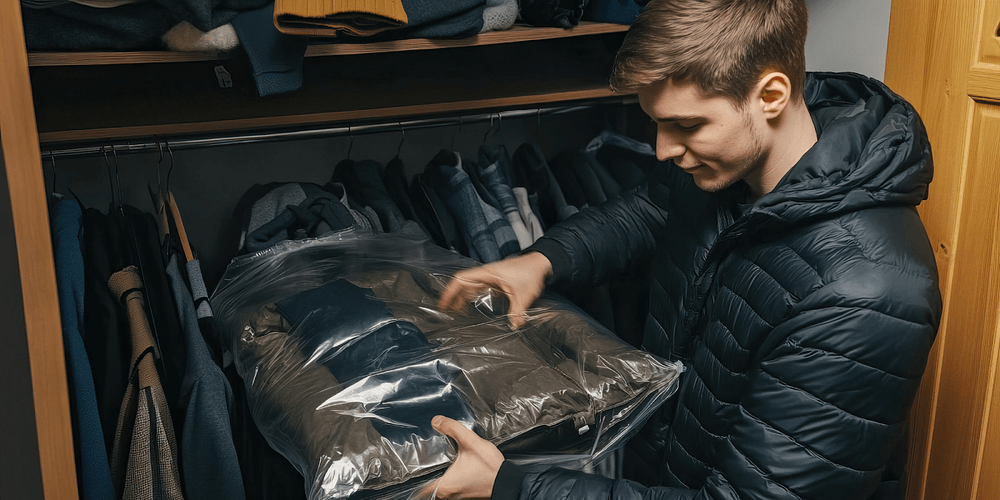
Bulky coats, boots, sweaters, and cold-weather accessories can take up valuable closet space. Proper seasonal storage keeps winter clothing organized and helps protect it until temperatures drop again.
Wash everything before storing it to prevent odors, stains, and pests.
Make sure clothing is completely dry before packing.
Fold sweaters and delicate knits instead of hanging them, which can cause stretching.
Use clear, labeled bins so you can easily identify what is inside.
Use vacuum-sealed bags for bulky items, but avoid compressing delicate fabrics for long periods.
Place boots upright and add boot shapers or clean paper to help them hold their shape.
Store similar items together, such as coats in one container and scarves, gloves, and hats in another. If your closets are already full, a storage unit can keep winter wardrobes organized and out of the way.
Organize Holiday Decorations
Packing holiday decorations carefully now will make decorating much easier next season. Group items by holiday so lights, ornaments, table décor, and wrapping supplies stay together.
Use divided containers for delicate ornaments.
Wrap fragile pieces with tissue paper or bubble wrap.
Label every bin by holiday and contents.
Avoid overfilling boxes, which can damage decorations.
Wind lights around cardboard or storage reels to prevent tangles.
Place frequently used decorations near the front of your storage area.
Self-storage can be especially helpful for large artificial trees, wreaths, outdoor decorations, and oversized bins that take up too much room at home.
Tidy Up Winter Sports Gear
Skis, snowboards, sleds, and other winter equipment can quickly crowd a garage or spare room when they are not in use. Cleaning and organizing this gear before storage helps prevent rust, moisture damage, and missing accessories.
Wipe down equipment and allow it to dry completely.
Remove dirt, salt, and moisture before storing.
Use wall hooks or racks for skis and snowboards.
Store gloves, goggles, helmets, and protective gear in labeled bins.
Keep related accessories together so they are easy to find next season.
Remove batteries from electronic equipment before long-term storage.
For bulky equipment, self-storage can help free up garage space while keeping seasonal gear accessible.
Refresh Your Home for Spring
Once winter belongings are packed away, make a few small updates to brighten your home and create a fresh start.
Replace heavy blankets and curtains with lighter fabrics.
Wash windows, baseboards, fans, and other often-overlooked surfaces.
Rotate or store winter-themed décor.
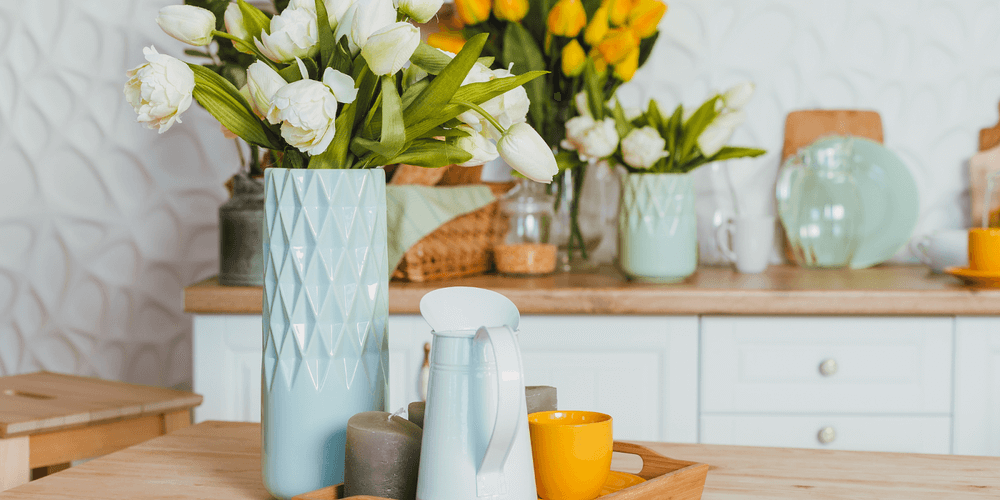
Bring in lighter colors, fresh flowers, or simple seasonal accents.
Use baskets, drawer organizers, hooks, and shelves to give remaining items a designated place.
Review high-traffic areas, including entryways, kitchen counters, and bathroom cabinets.
A clean, organized home creates a more comfortable backdrop for enjoying the new season. It also makes daily routines easier because you can find what you need without sorting through unnecessary items.
50 Things to Declutter This Spring
Use this spring cleaning checklist while decluttering and organizing this spring. You do not need to complete all 50 items at once. Start with the easiest category, work for a set amount of time, and stop before the project becomes exhausting.
Clothing and Accessories
Clothes you have not worn in over a year
Shoes that are uncomfortable or worn out
Socks without a match
Accessories you no longer enjoy wearing
Old handbags or backpacks collecting dust
Kitchen
Expired spices and pantry items
Plastic containers without matching lids
Broken or unused appliances
Duplicate utensils or tools
Mismatched plates, cups, or mugs you never use
Living Room
Outdated magazines and catalogs
Broken electronics or unidentified chargers
Throw pillows that have lost their shape
DVDs or CDs you no longer use
Decorative items that make surfaces feel crowded
Bathroom
Expired makeup or skincare products
Towels with holes or permanent stains
Hair tools you no longer use
Empty or nearly empty product bottles
Expired or unneeded medicine for approved disposal
Bedroom
Clothing that no longer fits or feels comfortable
Old sheets or incomplete bedding sets
Broken jewelry
Books you do not plan to read again
Old alarm clocks, gadgets, or unused electronics
Garage and Storage Areas
Broken tools or equipment
Empty or dried-out paint cans
Sports gear you no longer use
Seasonal decorations you did not use last year
Worn-out camping or outdoor gear
Office or Workspace
Outdated documents and receipts
Broken pens, dried markers, and empty supplies
Old planners and calendars
Unused cords, adapters, and tech accessories
Manuals for appliances you no longer own
Kids’ Rooms and Play Areas
Broken toys
Games or puzzles with missing pieces
Outgrown clothing
Dried-out or unusable art supplies
Books children have outgrown
Miscellaneous Items
Promotional items you do not use
Unnecessary duplicates, such as extra scissors or staplers
Old wallets or purses
Unused vases or plant pots
Luggage with broken zippers or wheels
Pet supplies your pet has outgrown
Gifts you have never used
Old holiday cards or invitations
Travel souvenirs you do not display
Items you have been planning to repair but realistically will not
As you work through the list, immediately place donation items in your vehicle or schedule a pickup. Recycle or dispose of damaged items responsibly, and only move belongings into storage when you have a clear reason to keep them.

How Self-Storage Helps With Spring Cleaning
Self-storage for spring cleaning gives you additional room without forcing you to permanently give up seasonal, valuable, or sentimental belongings. It is especially useful when closets, garages, attics, and spare rooms are already full.
Here are a few ways a storage unit can support decluttering and organizing this spring:
Create more usable space: Move seasonal belongings out of crowded rooms.
Keep similar items together: Store winter clothing, holiday décor, and sports equipment by category.
Protect belongings: Use durable containers, shelving, and careful packing.
Maintain flexibility: Month-to-month storage works well for seasonal or changing needs.
Improve accessibility: An organized unit makes belongings easier to retrieve when they are needed again.
Self-storage should support your decluttering plan, not become a place for unwanted items. Donate, sell, recycle, or discard what you no longer need first. Then store the belongings you genuinely want to keep.
Not sure how much room you need? Review our storage unit size guide before choosing a unit, then find a location near you.
Keep Your Home Organized Year-Round
The home organization tips in this guide can be used throughout the year, not just during spring. Schedule a short decluttering session at the beginning of each season to review clothing, decorations, equipment, paperwork, and household supplies.
Create simple habits that keep clutter from returning:
Give every item a designated home.
Label bins, drawers, and shelves clearly.
Follow a one-in, one-out rule for clothing and household items.
Keep a donation box in a closet or garage.
Review storage areas before buying duplicates.
Return items to their proper place after use.
The most effective approach to decluttering and organizing this spring is one you can realistically maintain. Small, consistent habits will keep your home more organized long after spring is over.
Why Self-Storage is Your Spring Ally
Self-storage offers unmatched convenience and flexibility for seasonal transitions. Here’s why it’s a game-changer:
Extra Space: Free up closets, garages, and spare rooms.
Accessibility: Your belongings are safe but always within reach.
Protection: Keep items secure and in top condition.
Whether you need short-term storage or a long-term solution, self-storage can simplify your life and keep your home clutter-free.
Keep the Momentum Going Year-Round
Spring cleaning and decluttering don’t have to be a one-time event. By making it a seasonal habit, you’ll maintain a more organized home throughout the year.
Ready to reclaim your space? Explore our self-storage solutions today to simplify your spring transition and enjoy a fresh start.
Spring Forward with Self-Storage
Give yourself the gift of an organized, clutter-free home this spring. Whether it’s winter clothes, holiday decorations, or outdoor gear, self-storage makes it easier than ever to stay on top of your space.
Find your perfect storage space today and start fresh for the season!


